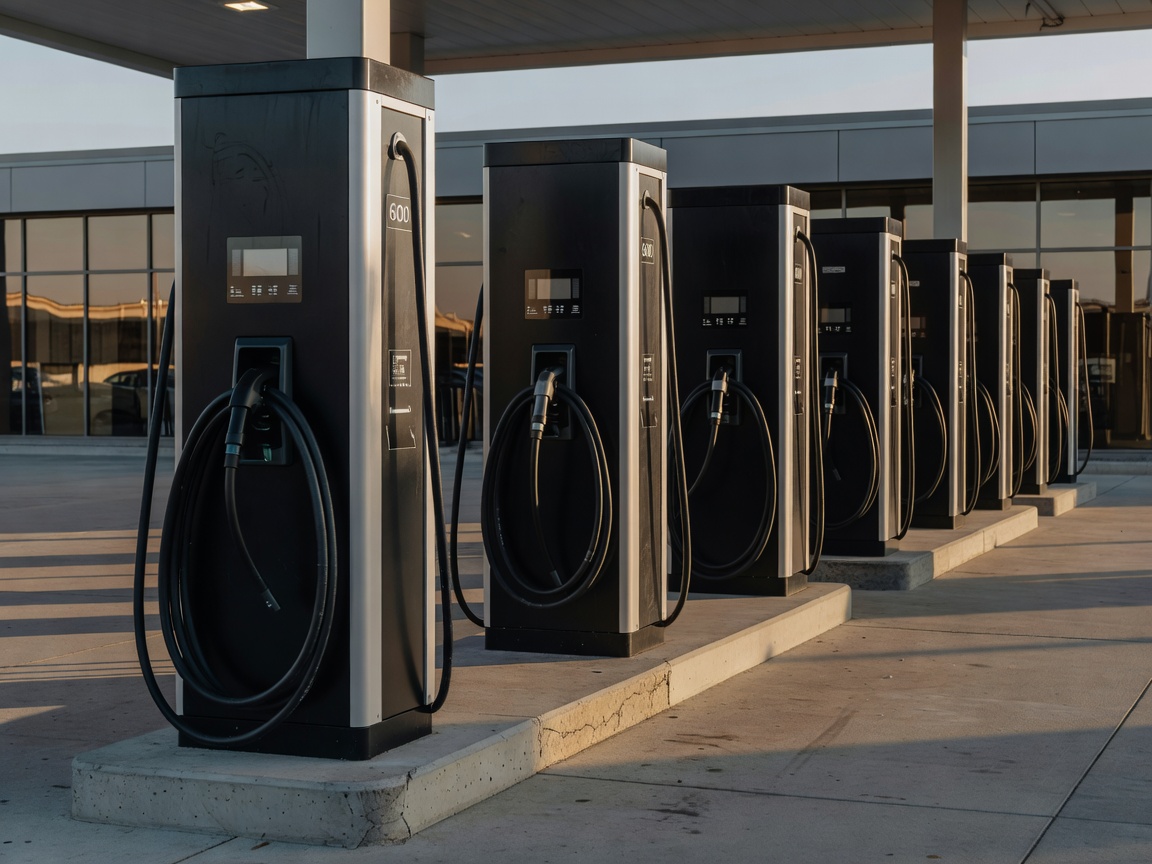
EV Charging Networks & Interoperability
An analysis of major providers, roaming agreements, and the rollout of Plug & Charge (ISO 15118) across the highway network.
Read Guide →Navigating the modern landscape of EV charging infrastructure. From ultra-rapid highway corridors to remote battery-buffered outposts, understand how to cross continents on battery power.

An analysis of major providers, roaming agreements, and the rollout of Plug & Charge (ISO 15118) across the highway network.
Read Guide →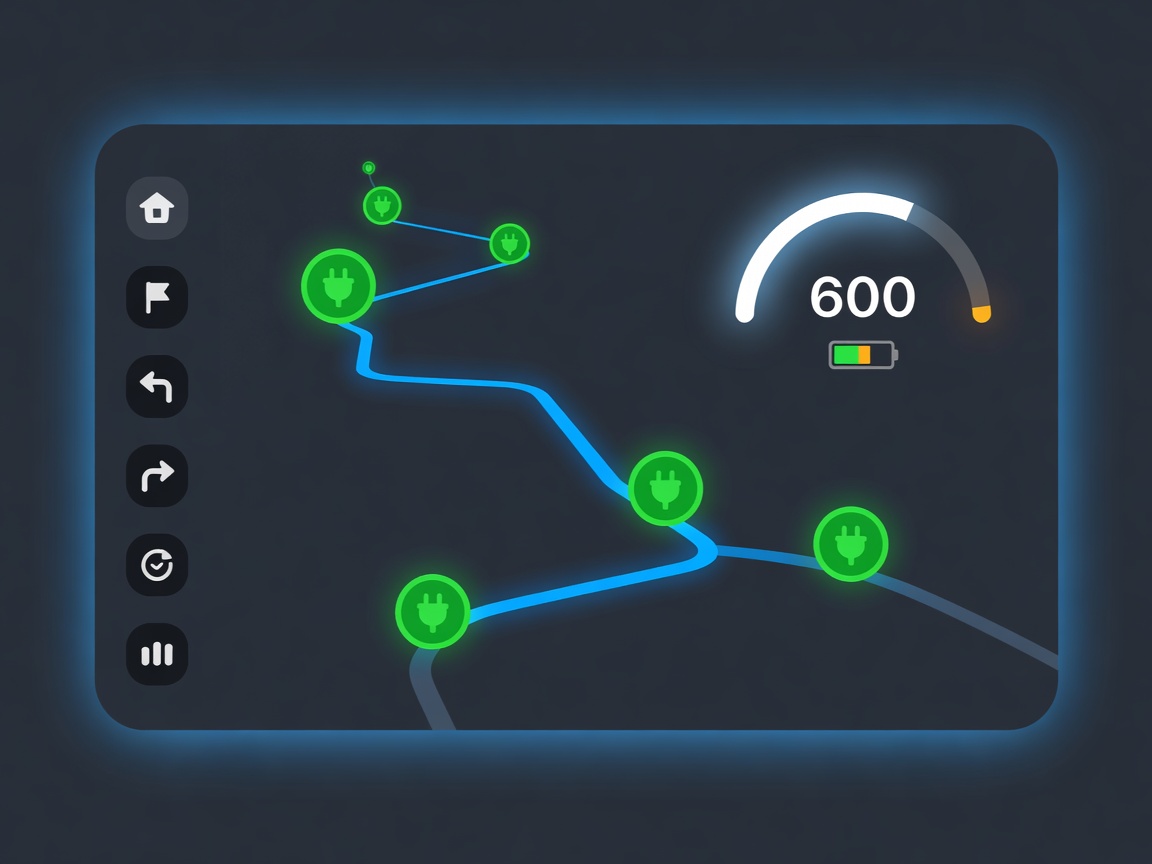
How modern software integrates with vehicle telemetry to dynamically route based on elevation, weather, and real-time station availability.
Read Guide →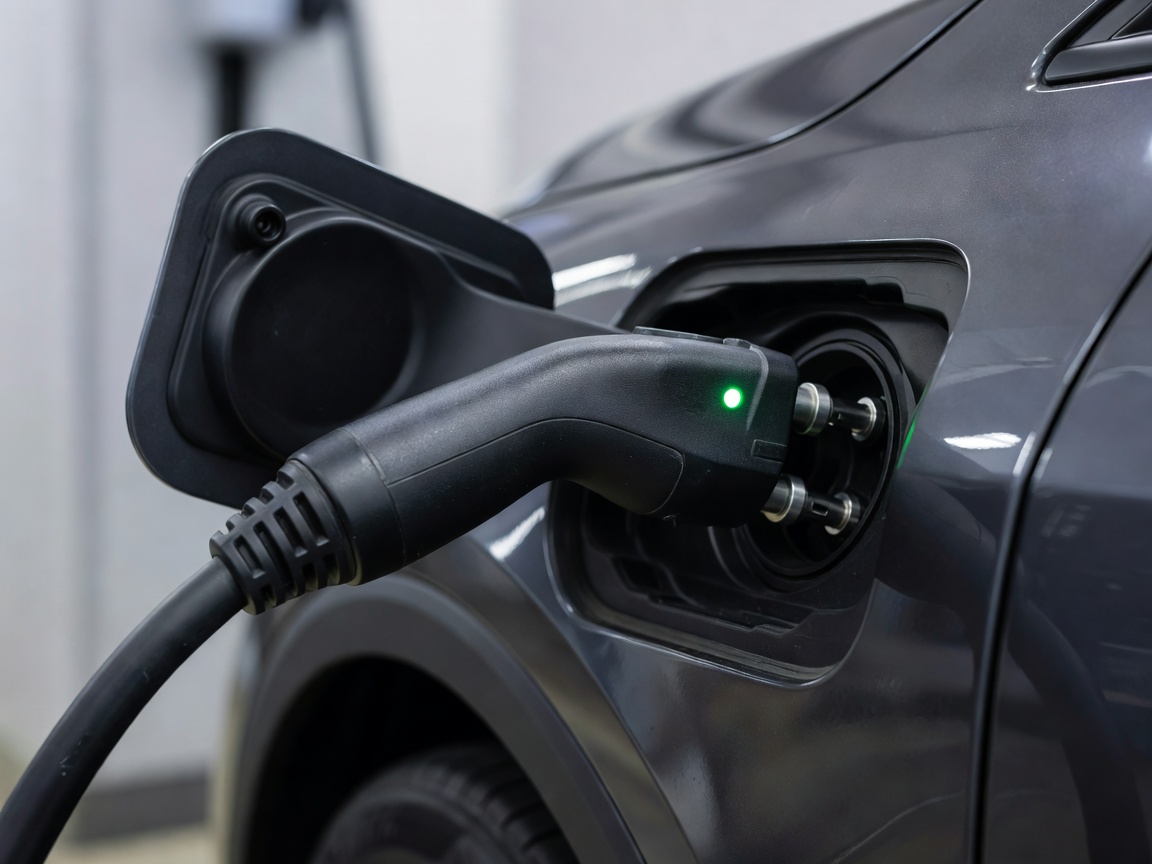
Demystifying kW ratings, the tapering effect of charging curves, and the advantages of 800V architecture for rapid stops.
Read Guide →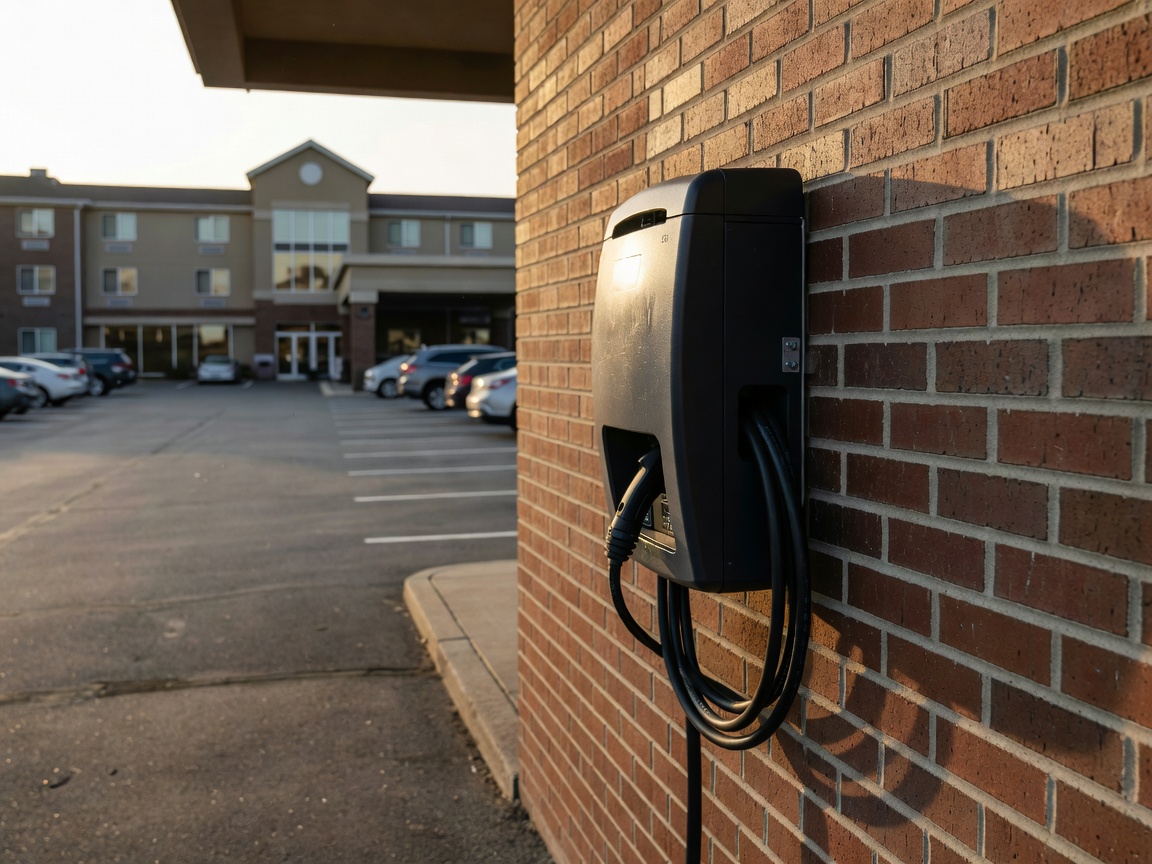
The strategic advantage of overnight AC charging, availability challenges, and standard protocols for sharing limited plugs.
Read Guide →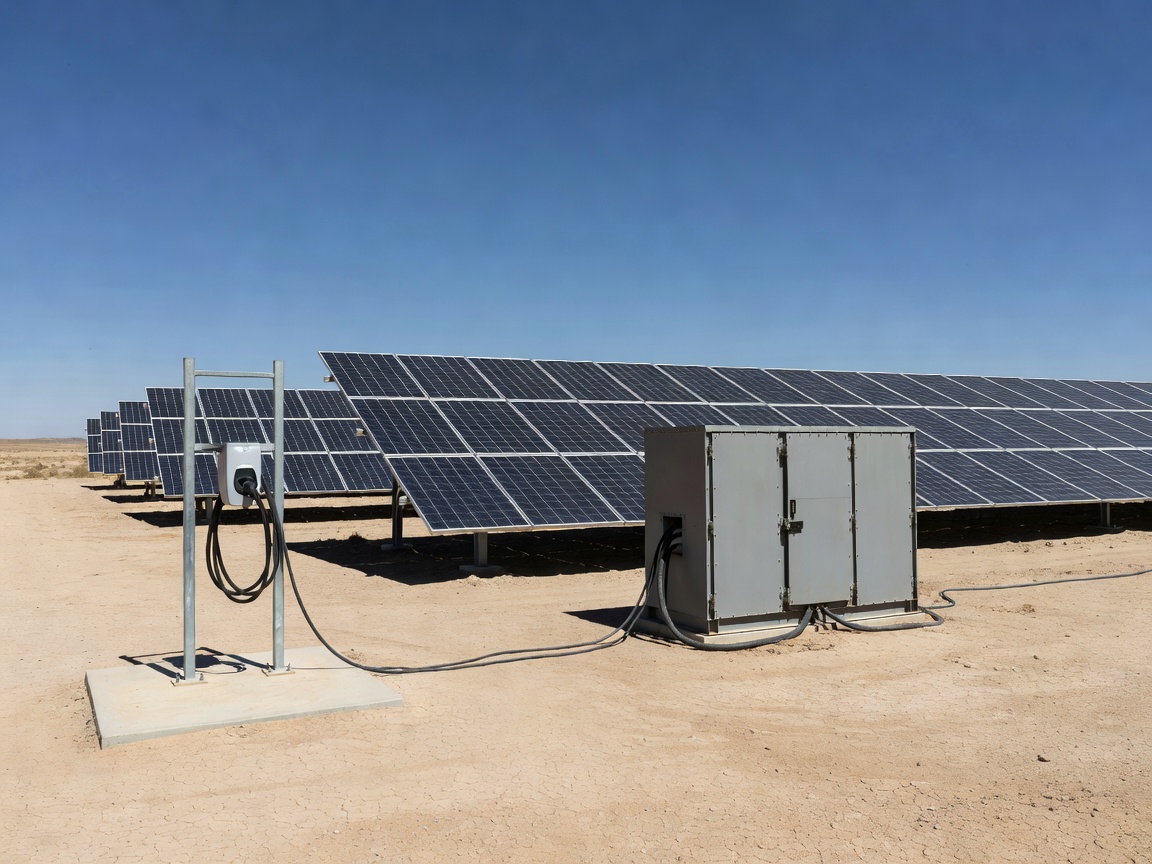
Overcoming grid connection limits in rural corridors using battery-buffered systems and off-grid supplementary power.
Read Guide →Long-distance travel in an electric vehicle requires a shift in mindset. Unlike traditional internal combustion engines where fueling is a uniform, binary process, EV infrastructure is highly varied. The speed at which you charge depends heavily on the interplay between the charging hardware, ambient temperature, battery state of charge (SoC), and the vehicle's internal voltage architecture.
Our resources at Bopstercorneries are dedicated to mapping out this new paradigm. By understanding the underlying mechanics of charging curves, route planning software, and grid limitations, drivers can optimize their journeys, turning charging stops from logistical hurdles into integrated pauses.