EV Charging Networks & Interoperability
Navigating the fragmented landscape of modern DC fast-charging providers, roaming agreements, and the crucial shift toward seamless authorization.
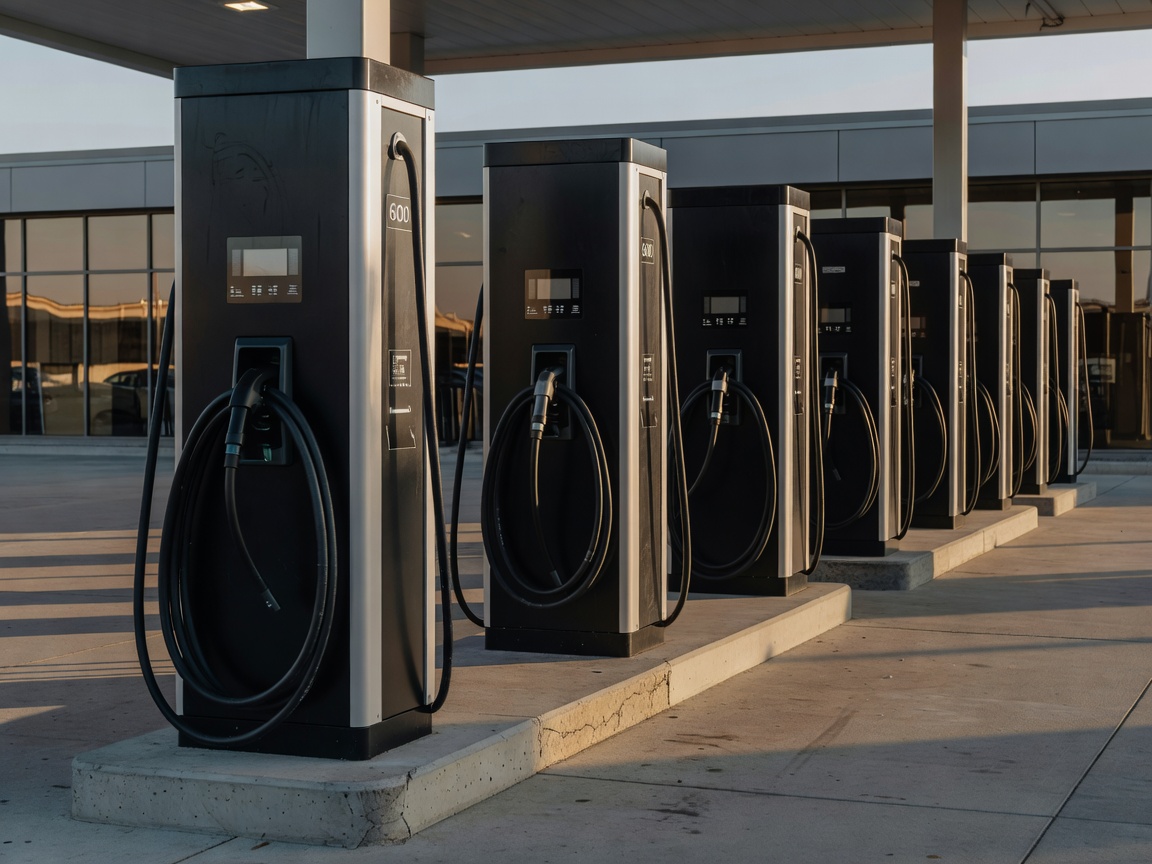
The transition to electric mobility has been marked by a rapid, yet highly fragmented, deployment of public charging infrastructure. For the driver embarking on a long-distance road trip, the vehicle's stated range is only half the equation. The other half is dictated by the density, reliability, and interoperability of the charging networks scattered along the route. Understanding this ecosystem is fundamental to mitigating range anxiety and optimizing travel times.
The Rise of High-Power Charging Corridors
Over the last few years, the focus of network operators has shifted from urban Level 2 AC chargers to high-power DC fast chargers (DCFC) situated along major highway corridors. Networks like Ionity in Europe, and Electrify America alongside the Tesla Supercharger network in North America, have prioritized establishing cross-country links. These stations typically offer power outputs ranging from 150kW to 350kW.
However, simply placing high-powered hardware in a parking lot is insufficient. The usability of these networks relies heavily on uptime and reliability. The industry has historically struggled with a lack of standardized maintenance protocols, leading to drivers encountering offline or derated chargers. Consequently, reliability metrics have become a competitive differentiator, with top-tier networks heavily investing in predictive maintenance and liquid-cooled cable technology to ensure consistent delivery of maximum amperage.
The Fragmentation Challenge
Unlike traditional fuel stations where payment is universally standardized via credit or debit cards, the EV charging ecosystem initially developed as a walled garden. Early adopters were required to carry a multitude of proprietary RFID cards or install a dedicated smartphone application for every network operator they intended to use. This fragmentation created a significant logistical barrier to cross-country travel.
While some jurisdictions have recently mandated the inclusion of contactless credit card readers on all new rapid chargers, a vast legacy network still exists. Furthermore, contactless payment often lacks the integrated receipt tracking and volume-based pricing discounts available to drivers who authenticate via a network's native system or an aggregated roaming service.
Roaming Agreements and Aggregators
To combat fragmentation, the industry has seen a rise in roaming agreements facilitated by platforms utilizing the Open Charge Point Interface (OCPI) protocol. These agreements allow a driver to use a single RFID card or application (provided by an e-mobility service provider, or EMP) to authenticate and pay across multiple distinct charging point operators (CPOs).
For example, a single charging key might unlock access to chargers operated by BP Pulse, Shell Recharge, and Fastned. While roaming simplifies the user experience, it introduces complexities in pricing. EMPs often apply an additional markup or session fee on top of the CPO's base rate. Drivers must carefully weigh the convenience of a unified platform against the potential premium paid for roaming, especially on extended trips involving high kWh consumption.
Plug & Charge (ISO 15118)
The ultimate goal for interoperability is the widespread adoption of Plug & Charge, underpinned by the ISO 15118 standard. This technology eliminates the need for RFID cards, smartphone apps, or credit card readers entirely. Instead, cryptographic certificates are exchanged directly between the vehicle and the charger via the charging cable the moment it is plugged in.
Once authenticated, the charging session initiates automatically, and billing is handled in the background according to a contract linked to the vehicle's unique identifier. While Tesla has employed a proprietary version of this for years within its closed network, the rollout of open-standard Plug & Charge across third-party vehicles and CPOs has been a complex endeavor requiring secure digital certificate management ecosystems.
As more vehicle manufacturers and charging networks adopt ISO 15118, the road trip experience will closely mirror the seamless integration early adopters have long praised, significantly reducing the cognitive load on the driver and standardizing the fast-charging experience globally.